

We're famous for gut health
Get answers with the UK's most comprehensive gut health test
Our report dives deep into your guts influence on your overall health, from skin to digestion and much more.
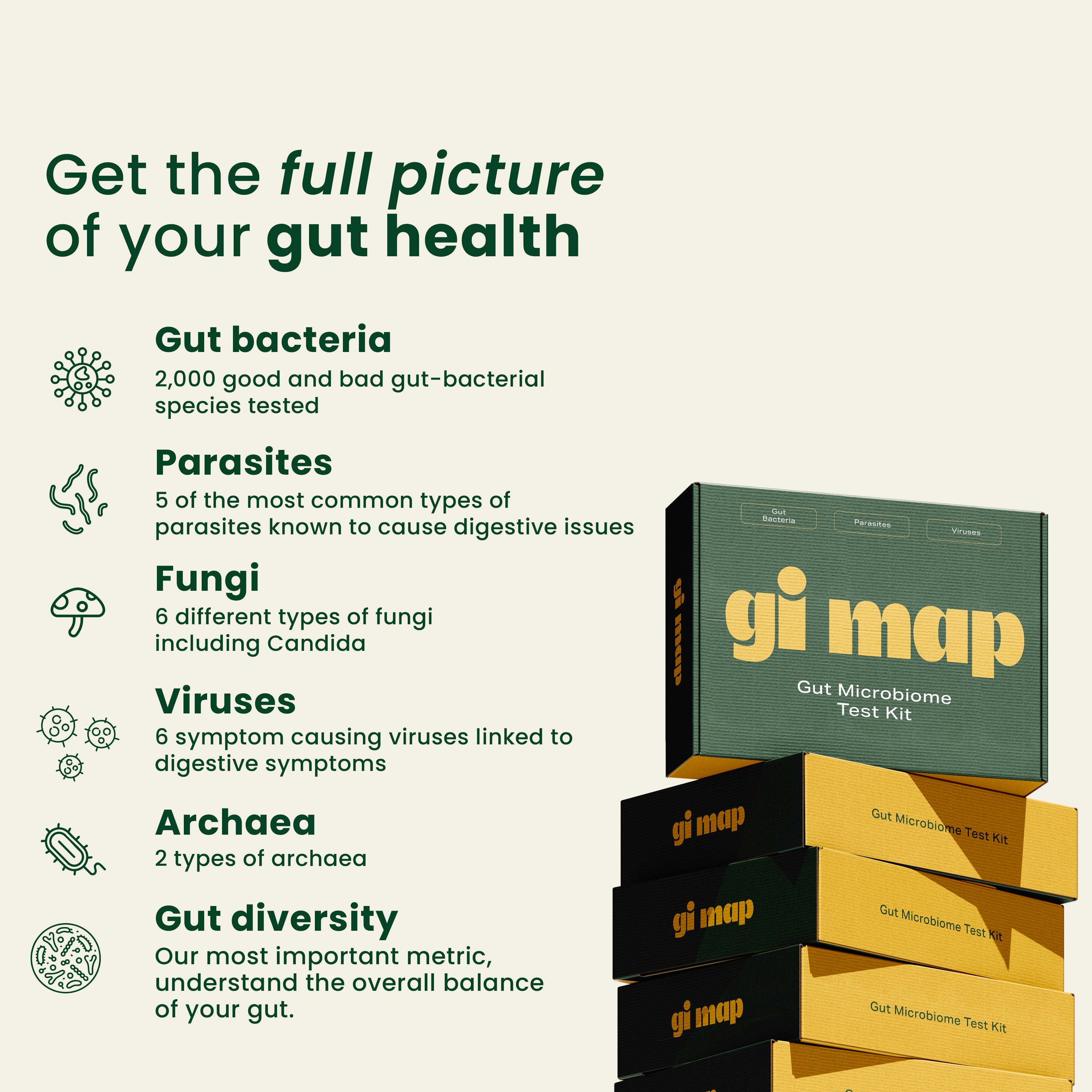
Leaky gut, imbalances, SIBO, overgrowths and more

Find out what your gut needs to rebalance and improve

Gi map sample report
We detail and explain everything we find, not just related to your gut health, but your overall health

World leading gut microbiome testing labs
We analyse every sample with next-generation shotgun metagenomic sequencing because it unlocks the full story of your gut microbiome. Shotgun sequencing is considered the gold standard in microbiome and DNA testing.
The science bitUnderstanding leaky gut and your gut microbiome
Your intestinal lining acts as a protective barrier, allowing nutrients and water to be absorbed while regulating the movement of other substances between your digestive system and the rest of your body.
The term “leaky gut” is commonly used to describe increased intestinal permeability, where this barrier becomes more permeable than normal. Changes in intestinal permeability have been observed in conditions such as coeliac disease and inflammatory bowel disease, although “leaky gut syndrome” is not recognised as a standalone medical diagnosis.
Scientists are also investigating how the gut microbiome, the trillions of microorganisms living in your digestive tract, interacts with the intestinal barrier and immune system.
Understanding these relationships is an important part of ongoing research into digestive health.
Frequently Asked Questions About Leaky Gut
What is leaky gut?
Leaky gut refers to increased intestinal permeability, a change in how substances pass through the intestinal lining.
Your intestinal barrier normally regulates the absorption of nutrients while helping limit the passage of potentially harmful substances. When barrier function is disrupted, permeability may increase.
Although increased intestinal permeability is a recognised biological phenomenon, “leaky gut syndrome” is not an established standalone medical diagnosis.
What causes increased intestinal permeability?
Increased intestinal permeability has been observed in several gastrointestinal conditions, including coeliac disease and inflammatory bowel disease.
Certain infections and medications, particularly non-steroidal anti-inflammatory drugs (NSAIDs), can also affect the intestinal lining.
Diet, alcohol intake, the gut microbiome and inflammatory processes are additional areas of research. However, the relationship between these factors and intestinal permeability varies, and an association does not necessarily mean one directly causes the other.
What are the symptoms of leaky gut?
There is no medically established set of symptoms that specifically identifies increased intestinal permeability.
Symptoms such as bloating, abdominal discomfort, diarrhoea and changes in bowel habits are sometimes attributed to leaky gut, but they are common to many different digestive conditions.
Experiencing these symptoms does not establish that your intestinal barrier is impaired. Persistent or unexplained symptoms should be assessed by a healthcare professional to identify possible underlying causes.
Can a gut microbiome test identify leaky gut?
A stool microbiome test analyses microorganisms present in the digestive tract. It can provide information about microbial composition and diversity, but it cannot directly measure intestinal permeability or diagnose leaky gut.
GiMap uses shotgun metagenomic sequencing to analyse microbial DNA within a stool sample.
Although research continues to explore relationships between the microbiome and intestinal barrier function, microbiome results should not be interpreted as proof that the gut lining is damaged.
Can intestinal permeability be improved?
The most appropriate approach depends on the underlying cause.
For example, in people with coeliac disease, following a strict gluten-free diet is an established part of treatment and can allow the intestinal lining to recover.
A varied, fibre-containing diet can support normal microbiome function, although no particular diet or supplement has been proven to treat increased intestinal permeability across all conditions.
If symptoms persist, identifying and managing an underlying medical condition is more important than relying on products marketed to “heal leaky gut”.
What treatments are being researched for leaky gut?
Scientists are investigating several approaches to understanding and supporting intestinal barrier function, including microbiome-targeted interventions, medicines that influence the intestinal lining, and experimental compounds involved in tissue protection and repair.
Prebiotics and probiotics. Researchers are studying whether particular dietary fibres and microorganisms can influence intestinal permeability. Some human studies have reported improvements in specific barrier-related measurements, although findings are inconsistent and more research is needed to establish which interventions may benefit which patients.
Intestinal barrier-targeting medicines. Experimental drugs such as larazotide acetate and IMU-856 have been investigated in people with coeliac disease. Larazotide's phase 3 trial was ended by its sponsor without completion, while early human research into IMU-856 has reported preliminary findings relating to intestinal tissue. Neither is an established treatment for leaky gut.
Experimental peptides. BPC-157 is a synthetic peptide first studied for its effects on the stomach and gut, and it has been investigated in animal models of gastrointestinal injury and tissue protection. Unlike most peptides, which are broken down quickly by stomach acid, BPC-157 has been reported to remain stable in human gastric juice, which is one reason it continues to attract research interest in digestive health. The research into BPC-157 is predominantly preclinical, and although some findings suggest effects relevant to gastrointestinal tissue repair, its safety and effectiveness for treating increased intestinal permeability in humans have not been established.
These approaches are at different stages of investigation and should not be considered proven treatments for leaky gut.
About
How it works
Organize content into multiple columns to share useful information to your customers about your products, values...
Order your test
We'll send you a test kit to collect your stool sample directly to your home. Return postage to our lab is included in your kit.
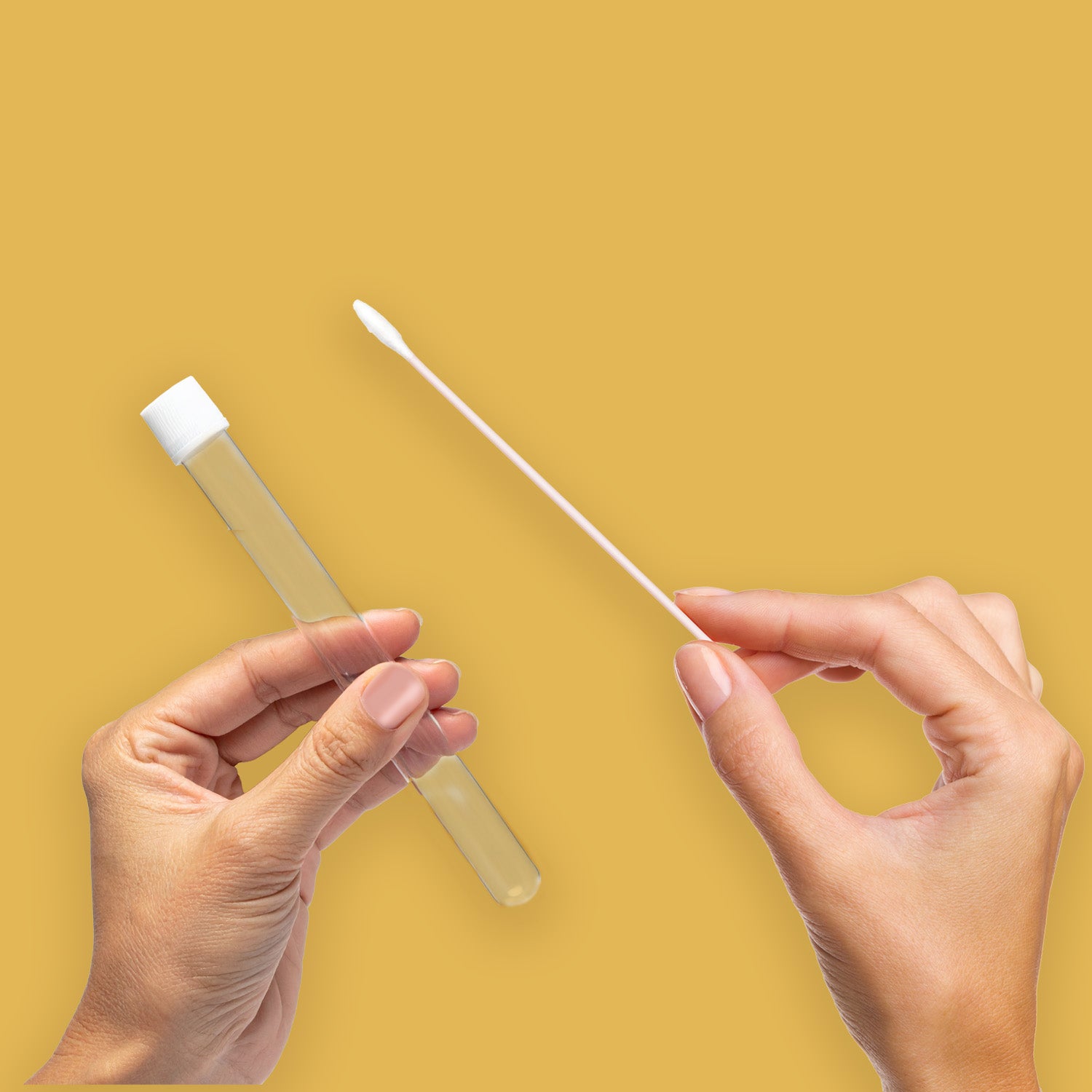
Post your sample
Collect your sample using our easy to use stool swab. Send it back to us on the same day using the pre-paid shipping label back to our lab.
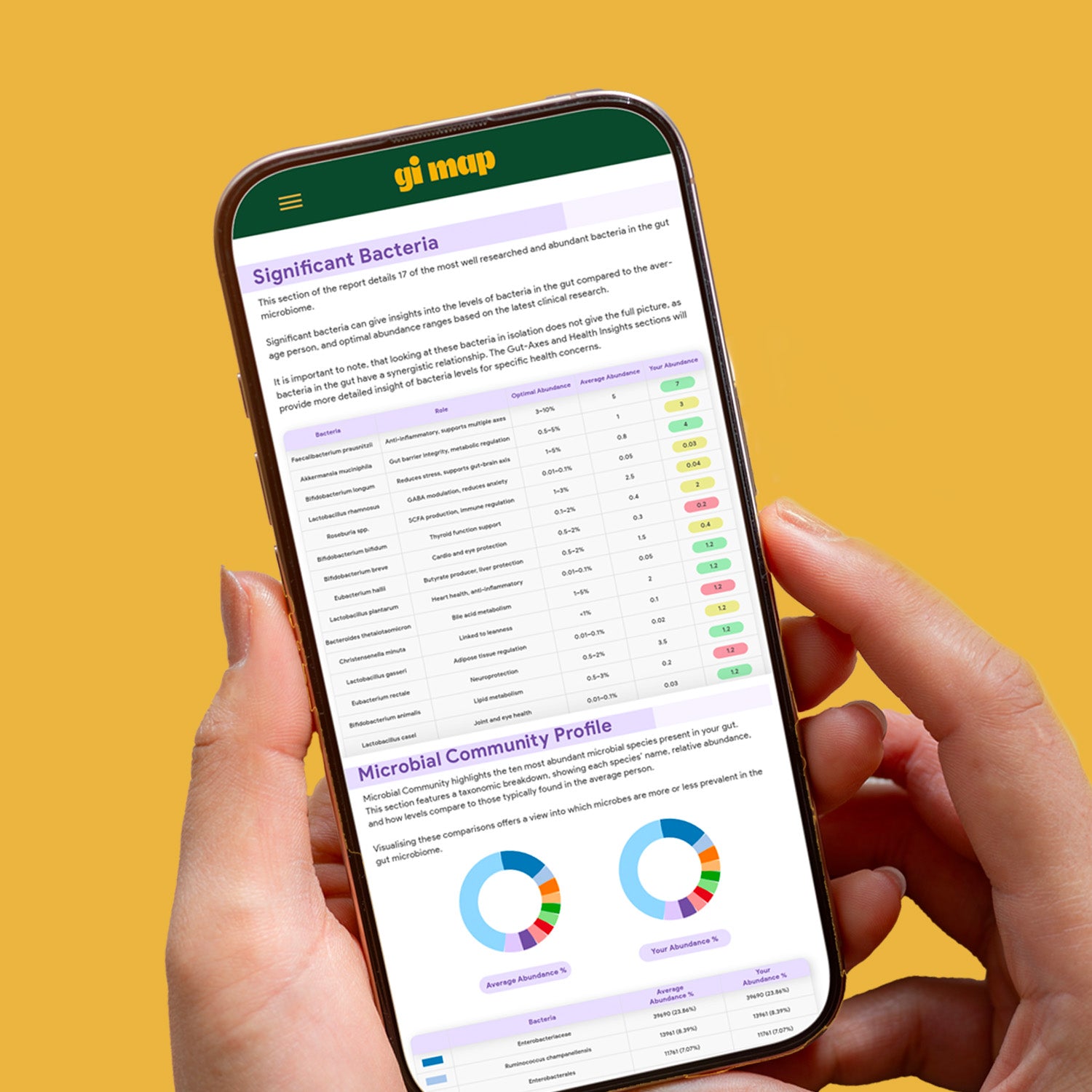
Get your results
We analyse the lab data and translate it into an easy to understand report. Our team will map your gut bacteria for you.
Scientific sources
References
The studies and reviews behind the educational content on this page.
- Camilleri M. Leaky gut: mechanisms, measurement and clinical implications in humans. Gut, 2019. doi.org/10.1136/gutjnl-2019-318427
- Bischoff SC, Barbara G, Buurman W, et al. Intestinal permeability, a new target for disease prevention and therapy. BMC Gastroenterology, 2014. doi.org/10.1186/s12876-014-0189-7
- Hamer HM, Jonkers D, Venema K, et al. Review article: the role of butyrate on colonic function. Alimentary Pharmacology & Therapeutics, 2008. doi.org/10.1111/j.1365-2036.2007.03562.x
- Damianos JA, Bledsoe A, Camilleri M, Murray JA. Coeliac disease and the intestinal barrier: mechanisms of disruption and strategies for restoration. Gut, 2026. doi.org/10.1136/gutjnl-2025-335373
- Girbal-González M, Pérez-Cano FJ. Is there a future without gluten restrictions for celiac patients? Update on current treatments. Nutrients, 2025. doi.org/10.3390/nu17182960
- Daveson AJM, Stubbs R, Polasek TM, et al. Safety, clinical activity, pharmacodynamics, and pharmacokinetics of IMU-856, a SIRT6 modulator, in coeliac disease: a first-in-human, randomised, double-blind, placebo-controlled, phase 1 trial. The Lancet Gastroenterology & Hepatology, 2025. doi.org/10.1016/S2468-1253(24)00248-6
- Poolton JT, Minett J, Kazmi A. Human evidence for BPC-157 in orthopaedic and regenerative medicine: a systematic review of efficacy and safety. Acta Orthopaedica Belgica, 2026. doi.org/10.52628/92.3.15837
- Sikiric P, Skrtic A, Gojkovic S, et al. Cytoprotective gastric pentadecapeptide BPC 157 resolves major vessel occlusion disturbances, ischemia-reperfusion injury following Pringle maneuver, and Budd-Chiari syndrome. World Journal of Gastroenterology, 2022. doi.org/10.3748/wjg.v28.i1.23
- BPC157 UK research peptides and animal and human research library - https://bpc157.co.uk/. Accessed 20 October 2026.